












The Triple-Layer Solution: How Oak, MDF, and Recycled Polyester Are Transforming Architectural Acoustics
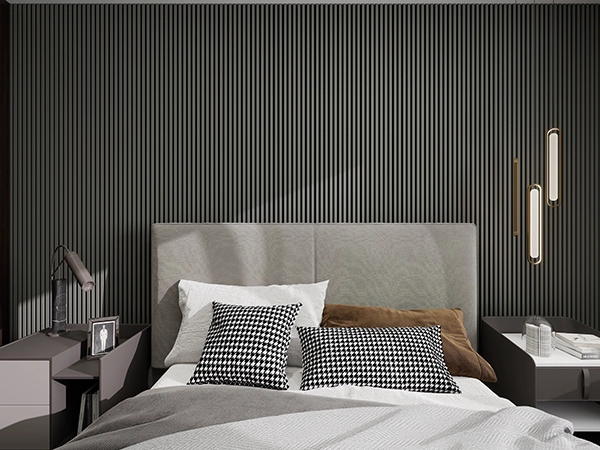
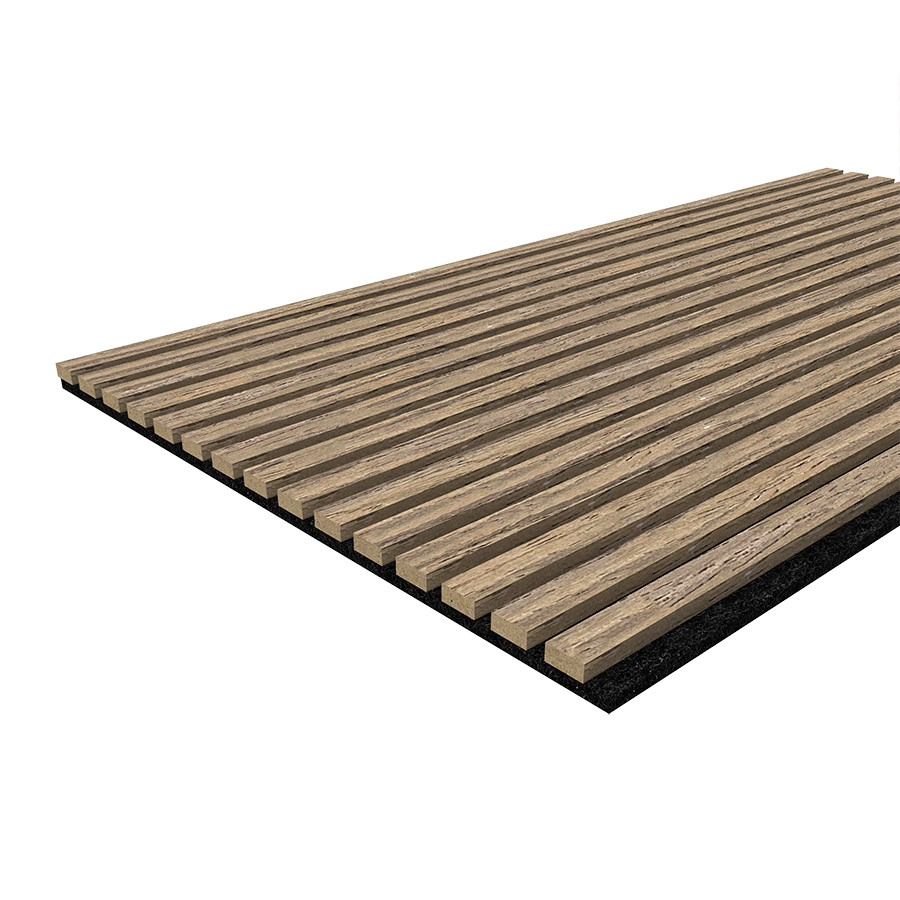
The surface of the sound-absorbing panel is covered with a layer of solid wood veneer or engineered wood veneer. — commonly European oak, American walnut, maple, or cherry — applied to precision-machined MDF slats. Beneath those slats sits the acoustic engine: a polyester fiber felt layer, typically 9 mm thick, fabricated from recycled PET. The veneer and MDF provide structure, fire resistance, and aesthetic warmth, while the felt delivers broadband sound absorption. Together, they create a wall surface that performs acoustically, meets building code requirements, and serves as the finished interior design element — no additional cladding, painting, or wrapping required.
Wood slat acoustic panels are engineered for straightforward installation, whether by professional contractors or skilled DIY teams. Panels can be fixed directly to wall substrates using construction adhesive or mechanically fastened with screws — typically 12 to 16 evenly spaced fasteners per panel for secure mounting on drywall or stud walls. Panels are easily cut to size using a fine-tooth hand saw or jigsaw, and width adjustments can be made by slicing through the felt backing between slats with a utility knife. This installation simplicity means faster project turnaround and lower labor costs compared to traditional multi-trade acoustic treatments that require separate framing, infill, and finishing steps.

(Acoustic Panels Manufacturer China) Customizability adds another layer of design flexibility. Beyond common wood species, specifiers can select from custom colors, textured finishes, and varying slat widths and gaps to achieve specific aesthetic outcomes.
As the architectural acoustic panels market matures toward its projected USD 12.6 billion valuation by 2034, the convergence of material science, sustainable manufacturing, and design-forward thinking is rewriting the rules of interior specification. The question for architects is no longer whether to address acoustics, but how early in the design process to integrate them — and which wood finish best complements the space.